Why Modern Car Key Replacement Is a Two-Step Technical Process
The physical cut of a car key is only half the job. Every vehicle manufactured after the mid-1990s uses some form of transponder technology: a tiny chip embedded in the key head that sends an encrypted signal to the car's Engine Control Unit. If the ECU doesn't recognize the signal, the immobilizer activates and the engine won't start — even if the blade turns perfectly in the ignition. Our technicians carry professional-grade programming equipment that reads and writes to the specific protocols used by each manufacturer, whether that's Ford's PATS system, GM's VATS or PassLock, Toyota's encrypted immobilizer, BMW's EWS module, or Chrysler's SKIM system. Each brand uses different encryption standards, different key-cutting blade profiles, and different on-board diagnostic procedures, so the job is never one-size-fits-all.
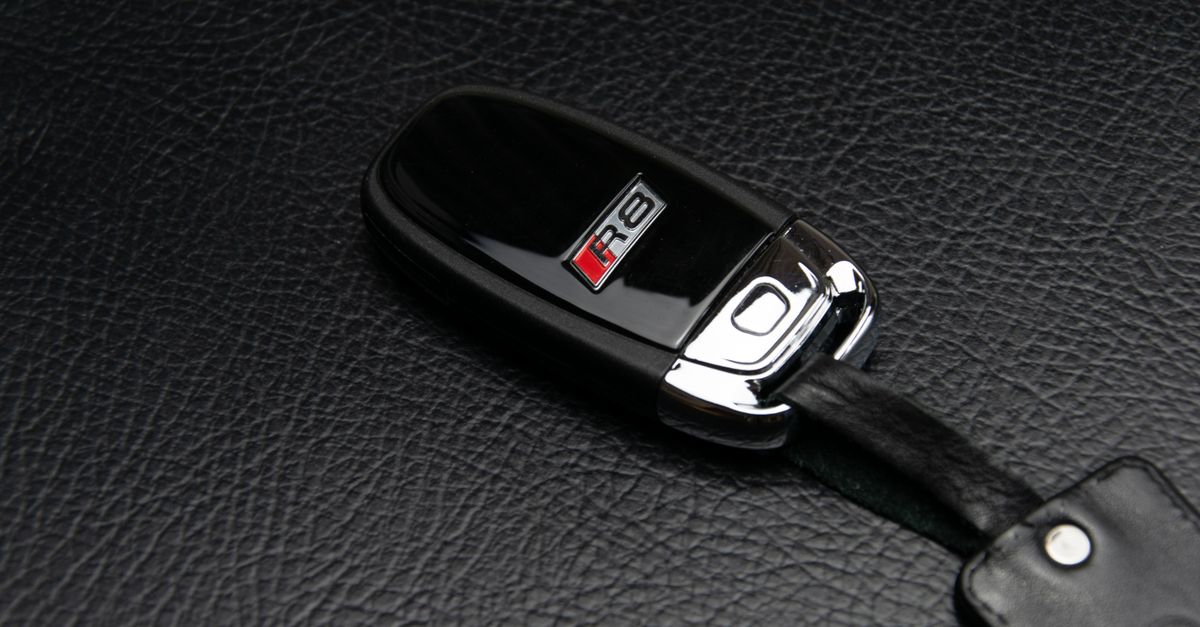
Laser-cut or 'sidewinder' keys — common on many Volkswagen, Audi, Mercedes-Benz, and GM vehicles — require a specialized milling machine rather than a standard key duplicator, because the cuts run along the center of the blade in a winding track. High-security keys like those on Honda's G-chip platform or Subaru's newer models add yet another layer of rolling-code encryption that must be synchronized at the time of programming. Our mobile units are stocked with the machinery and key blanks to handle this range on the spot, which means you're not waiting days for a dealer to order parts and schedule an appointment.