Access Control & Keypads: How Electronic Entry Actually Works for Anderson Businesses
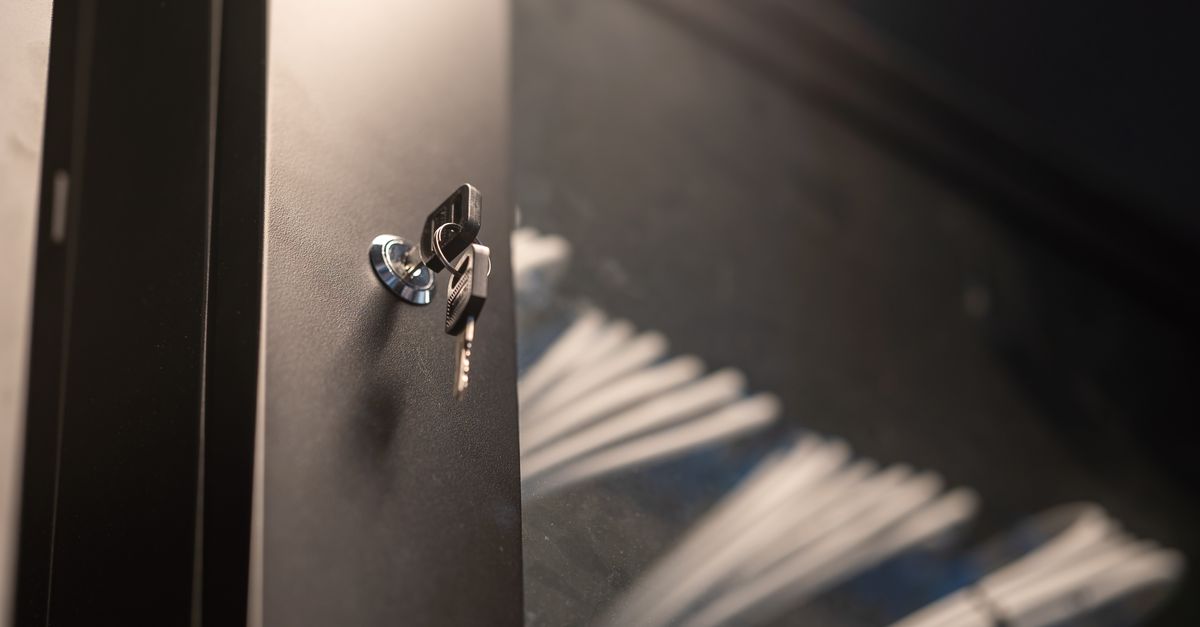
Electronic entry systems replace the mechanical relationship between a cut key and a pin-tumbler cylinder with a credential — a PIN code, a key fob, a proximity card, a smartphone signal, or a biometric scan. When the right credential is presented, the system signals an electric strike, a magnetic lock, or an electrified mortise lock to release. That last component — the access control mortise lock — is central to most commercial-grade installations and worth understanding well. A mortise lock is a full-body lock mechanism that sits inside a precisely routed pocket (the mortise) in the door edge. Because the entire mechanism is housed within the door rather than surface-mounted, it is far more resistant to forced entry, more capable of handling heavy commercial traffic, and better suited to accept the wiring that electronic credentials require. When a customer searches for an access control mortise lock installation near Anderson, they usually have a solid commercial door that simply needs its mechanical cylinder upgraded to an electrified or credential-ready unit — something our technicians handle regularly.
The terminology in this space can feel overwhelming, so a quick primer helps. 'Electric strike' means the door frame component releases instead of the lock itself — the lock stays latched until the strike opens. 'Magnetic lock' (or mag-lock) uses electromagnetic force to hold the door shut and releases when power drops. 'Electrified mortise lock' means the full mortise body is wired to respond to the access control panel. 'Access control panel' is the brain that logs credentials, enforces schedules, and communicates with every reader on your property. Knowing these terms helps you ask better questions — and helps us give you answers that actually match your building.