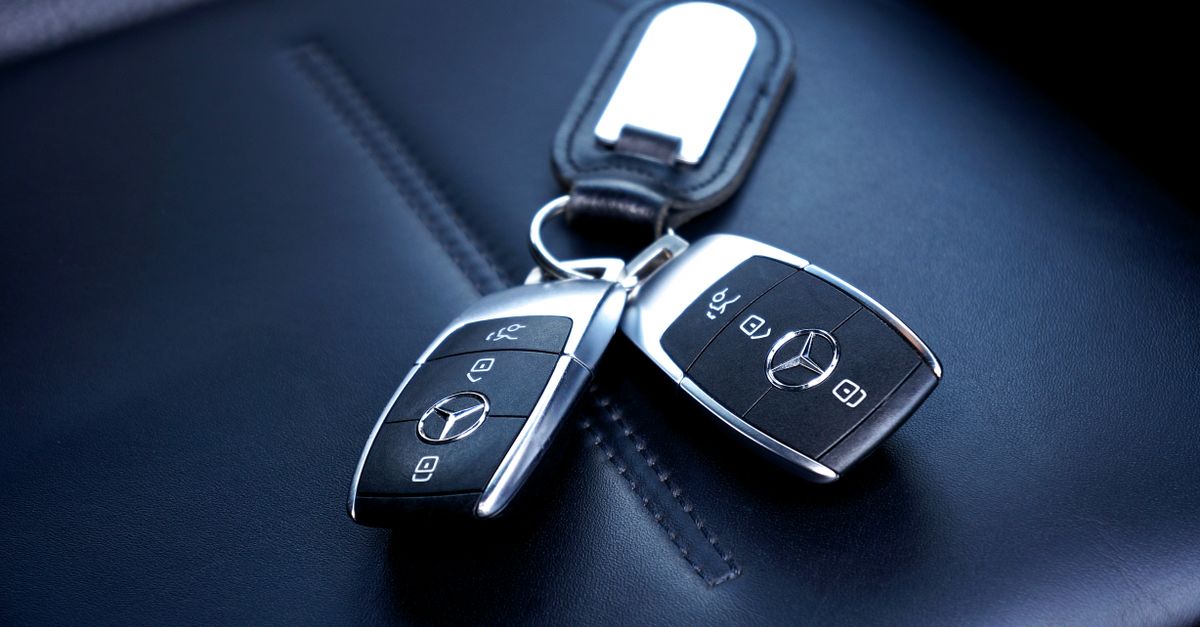
Ford Car Key Replacement: Understanding the Technology in Your Key
Ford has used at least five distinct key technologies across its lineup over the past three decades, and knowing which type you have changes everything about how a replacement is made. The oldest Ford vehicles use a standard metal blade with no electronics — a straightforward cut that can be duplicated quickly. Beginning in the mid-1990s, Ford introduced transponder keys, which contain a small microchip in the plastic head. When you turn the ignition, the vehicle's immobilizer sends a radio signal to the chip; if the chip does not return the correct encrypted code, the engine will crank but refuse to start. A cut-only copy of a transponder key will open your door but leave you stranded — the chip must also be programmed to match your specific vehicle's immobilizer module.
From roughly 2011 onward, many Ford models — the Explorer, Edge, Expedition, and F-Series among them — moved to a remote-head key or a fully separate key fob paired with a flip-blade emergency key. The most recent generation uses Passive Entry Passive Start (PEPS) smart key technology, where the fob never needs to leave your pocket. Each of these systems requires different cutting equipment, different programming protocols, and in some cases a direct data link to the vehicle's OBD-II port. Our technicians carry the hardware and software to cover every generation, and because we work on-site, you do not have to arrange a tow to a dealership — particularly valuable if you are dealing with a ford expedition locked keys in car situation in a remote part of Anderson County.