Understanding Hyundai Key Technology: Terminology That Matters
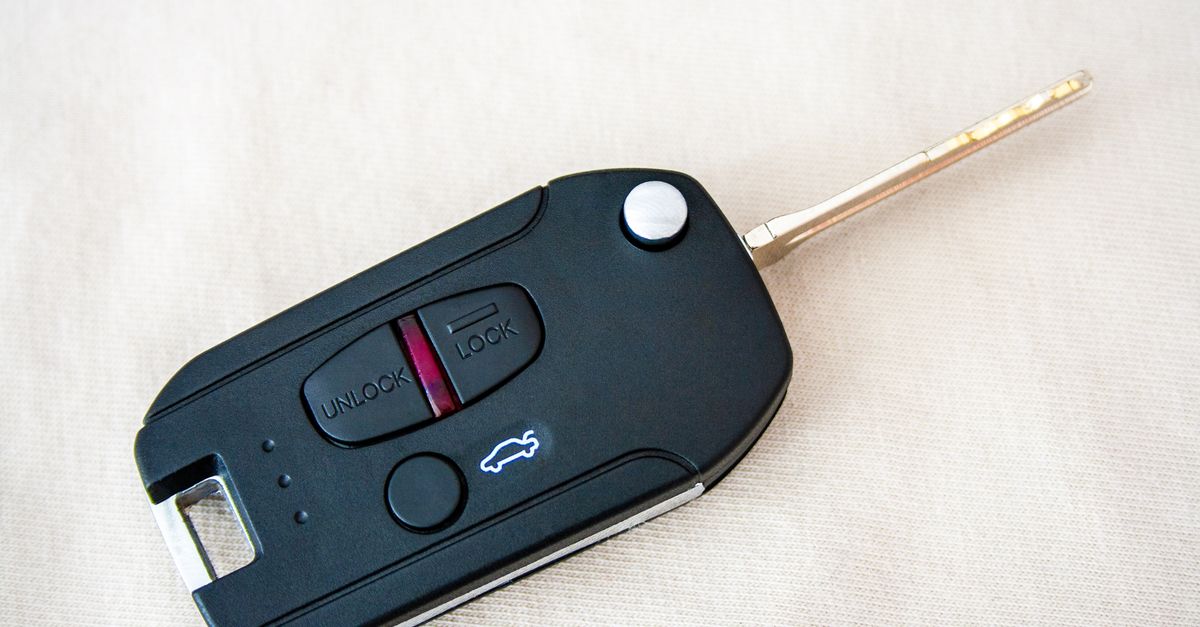
Hyundai has used at least four distinct key types across its model lineup, and knowing the terminology helps you understand exactly what service you need. A basic transponder key — common on early 2000s Hyundai models — embeds a small chip in the plastic head. When you insert the key, the ignition coil reads the chip's code; if the code doesn't match the car's immobilizer, the engine won't start even with a perfectly cut blade. Flip keys (also called switchblade keys) use the same chip technology but fold the metal blade into the fob body. Remote head keys add one-touch lock, unlock, and trunk release to that same unit. Finally, Hyundai's proximity smart keys — found on recent Elantra HEV, Tucson, and Santa Fe trims — allow push-button starting as long as the fob is inside the cabin, communicating over an encrypted rolling code that changes with every use.
Each of these requires a different replacement workflow. A transponder key needs both a correctly cut blade and immobilizer programming. A smart key requires cloning or fresh programming through Hyundai's OBD-II interface, and on some models the car must be placed into a pairing mode that only specialized software can trigger. Our technicians understand these distinctions, which is why we ask for your year, model, and trim level when you call — it lets us arrive with exactly the right blank and equipment rather than making a second trip.