Trusted Anderson Locksmith Service Team
Local locksmith team
Oct 17, 2026 13 min read
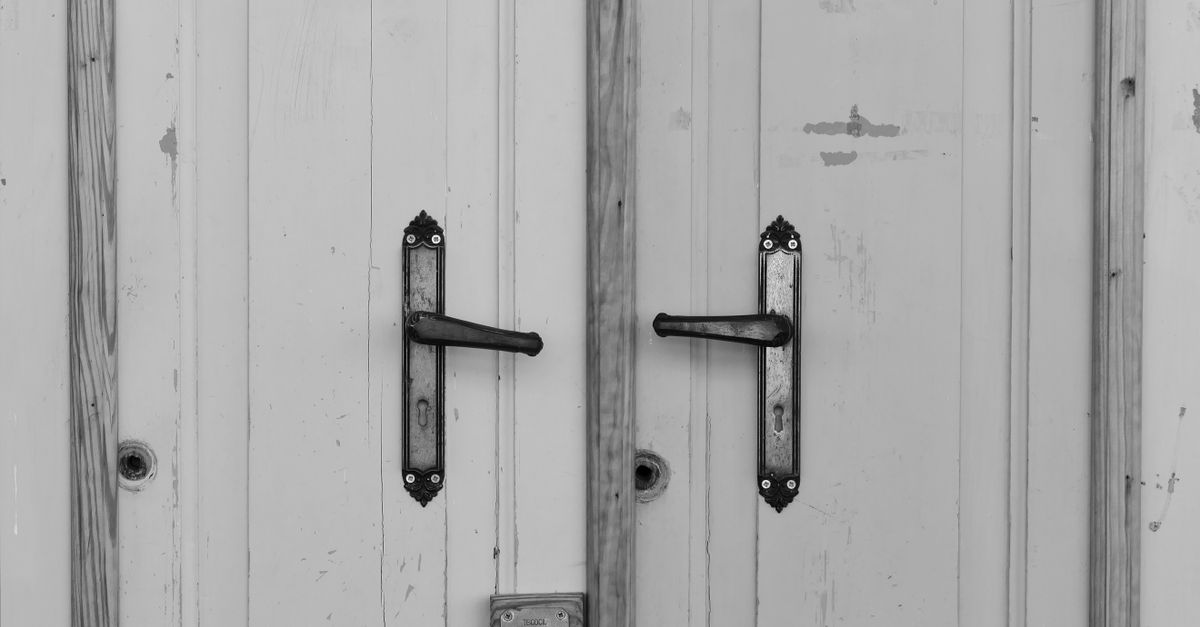
If you live in an older home near downtown Anderson — say, along McDuffie Street or in one of the historic neighborhoods off North Main — there's a good chance your front door has a lock that looks nothing like the simple knob-and-deadbolt combo sold at big-box stores today. It's deeper, heavier, and when you remove the faceplate, it reveals a surprisingly complex mechanism built right into the door itself. That's a mortise lock, and it has been the hardware of choice for quality residential and commercial construction for well over a century.
For Anderson homeowners, understanding what you actually have in your door matters — because when something goes wrong with a mortise lock, the repair path is completely different from a standard cylindrical lock. This guide breaks down exactly how mortise locks work, why they're so widespread in Anderson's older housing stock, and how to make a smart decision about whether to repair or replace yours. We'll also cover when it's time to stop wrestling with a sticky deadbolt and simply call a professional locksmith who knows this hardware cold.
## What Is a Mortise Lock — and How Does It Actually Work?
A mortise lock is a complete locking mechanism housed inside a rectangular steel or brass cartridge — called the lock body or lock case — that sits inside a carved-out pocket (the 'mortise') in the edge of the door. Unlike a cylindrical lock, where the latch and deadbolt are separate pieces drilled through from the face of the door, a mortise lock set combines the latch bolt, deadbolt, and sometimes a privacy button all into one integrated unit. The result is a mechanism that is structurally embedded in the door rather than attached to its surface, which is a large part of why these locks are so durable.
The visible parts — the door knob with lock and key, the escutcheon plates, the thumb turn — are essentially trim pieces connected to the internal case by spindles and cams. The mortise lock cylinder (the plug you insert your key into) sits in one of these escutcheon plates and controls the main deadbolt throw. When you turn the key, a cam inside the cylinder rotates and actuates the bolt mechanism housed deep within the door. This is a fundamentally different geometry than what you see in a standard Kwikset or Schlage cylindrical setup, which is why you need a locksmith who specifically understands mortise hardware when something breaks or a key goes missing.
## Why Older Anderson Homes Are Full of Mortise Hardware
Anderson, SC grew rapidly in the late 19th and early 20th centuries — the city was nicknamed 'The Electric City' after becoming one of the first in the South to use hydroelectric power, and that economic energy showed up in the quality of residential construction throughout that era. Homes built before roughly 1960 almost universally used mortise lock sets on exterior doors as the standard, because mortise hardware was simply the best technology available. Brands like Corbin Russwin mortise lock products and Baldwin mortise lock lines were installed in quality homes across the region, and many of those same units are still in service today.
After the 1960s, the rise of pre-hung doors with pre-drilled cylindrical bore patterns shifted the market toward cheaper, faster-to-install hardware. Mortise locks required skilled carpentry to fit correctly, so new construction largely moved away from them. But that means if your Anderson home was built before 1960 — whether it's a craftsman bungalow near Whitner Street or a colonial revival near the old mill district — the lock in your front door is likely a genuine antique piece of engineering that still works well, provided it receives the right attention when something wears out.
## Mortise Lock Terminology: Knowing the Parts Before You Call
One of the most common frustrations homeowners run into is not knowing what to call the piece that's actually failing, which makes it hard to describe the problem to a locksmith or search for parts. Here's the practical vocabulary: the lock body or lock case is the rectangular cartridge inside the door. The mortise lock cylinder is the separate plug that your key goes into — this can often be re-keyed or replaced without touching the lock body. The trim on the outside of the door (the decorative plate surrounding the knob or lever) is the escutcheon. The latch bolt is the spring-loaded angled piece that catches when you close the door; the deadbolt is the square bolt you throw deliberately with a key or thumb turn. The rose is the round backing plate behind a round knob.
Why does this matter practically? Because if your issue is that your key no longer turns smoothly, the problem is almost certainly in the mortise lock cylinder, not the entire lock body — and replacing just the cylinder is a much simpler job than pulling and replacing the whole mortise lock set exterior door unit. Conversely, if your deadbolt throw is sluggish or the latch bolt doesn't spring back reliably, that points to internal mechanism wear inside the lock body itself, which is a different repair. Describing your symptoms in these terms when you call a locksmith saves time and helps us bring the right parts on the first visit.
## Repair vs. Replace: Making the Smart Call on Your Mortise Lock Set
Mortise locks are built to last decades — sometimes generations — so the repair-versus-replace decision is genuinely nuanced. In most cases, if the lock body itself is sound (the bolt throws cleanly, the latch springs back, the cam mechanism responds correctly), the right move is to repair or replace only the failing component. A mortise lock cylinder that's worn, corroded, or no longer accepts a key can be swapped out without touching the lock body. Loose or stripped trim screws, a stiff deadbolt throw caused by decades of paint buildup on the door edge, or a latch that's out of alignment with the strike plate are all fixable without full replacement. If you have historic hardware from a recognizable manufacturer like Corbin Russwin or Baldwin, preservation often makes both practical and aesthetic sense — modern replacement mortise lock sets for exterior doors that match the profile of antique hardware can be surprisingly difficult to source or expensive to fabricate.
Replacement makes more sense in a few specific scenarios: the lock body is cracked or the internal mechanism is so worn that parts are no longer available; someone has attempted a forced entry and the lock case itself is damaged; you're upgrading to a higher-security cylinder and the old lock body doesn't accept standard cylinder profiles; or you want to transition to a smart lock or keypad entry. A professional locksmith can assess your specific unit and give you a clear, honest recommendation. Factors that affect the final price of any repair or replacement — whether you need a new cylinder, a new lock body, or a full mortise lock set exterior door installation — include the specific hardware profile, whether the door needs any remediation to accept a new lock, parts availability, and the time of the service call. We always confirm an exact up-front price before any work begins, so there are no surprises.
If you're not sure what you have or what's wrong, that's exactly the right time to call us at (704) 850-6756. We'll assess the lock in person, explain what we find in plain language, and give you a clear recommendation — repair, re-key, or replace — before we touch a thing.
## What a Skilled Locksmith Can Do With Your Mortise Hardware — and When to Call
Locksmith specializations matter more than most homeowners realize. A locksmith who primarily handles automotive lockouts every day may have limited hands-on experience with antique mortise hardware, while a locksmith who works regularly with both residential and commercial locksmith calls — including older commercial buildings with institutional-grade mortise lock sets — will have the pattern recognition to diagnose problems quickly and source correct parts. Our team handles the full range: re-keying mortise cylinders, replacing worn lock bodies, fitting new mortise lock sets into historic door edges without damaging original woodwork, and advising on whether a given lock meets current residential security standards.
A few specific scenarios where calling a locksmith is the right move, not a DIY repair: you've lost the only key to a working mortise lock and need to get inside your home; the door knob lock no longer retracts the latch and you can't open the door from inside; a key has broken off inside the mortise lock cylinder; or the lock was serviced by a previous owner and is now keyed to an unknown master system. On lockout situations specifically — the safe, legitimate approach is always to verify ownership (we may ask for ID and proof of address), check for accessible alternate entry points like a rear door with a working key, and then have a qualified locksmith non-destructively service the lock. We're available for emergency locksmith calls around the clock precisely because lock failures don't keep business hours.
One question we hear often: 'Can a locksmith make a key from a lock?' Yes — a skilled locksmith can impression a key or decode a mortise lock cylinder to cut a working key without a reference copy, which is especially valuable for antique locks where the original key was lost years ago. On the topic of 'How much is a locksmith per lock?' — for mortise work specifically, pricing depends on the complexity of the cylinder profile, whether parts need to be ordered, the age and condition of the lock body, your location within the Anderson area, and the time of day. We provide a firm quote before starting. And if you're wondering 'Should I tip my locksmith?' — it's never expected, but always appreciated for a job well done.
## Choosing the Right Locksmith for Mortise Lock Work in Anderson, SC
'How to choose a locksmith?' is a question worth answering honestly, especially for specialized work like mortise hardware. The key factors: verify the locksmith is insured and operating a legitimate local business (not a call-center operation that dispatches unvetted contractors); ask specifically whether they have experience with mortise lock sets and antique hardware; and confirm they will provide a firm price before beginning any work. A trustworthy locksmith will ask for your ID on a lockout call — that's not a red flag, it's a sign they're doing things correctly.
It's also worth knowing that locksmith regulation varies significantly by location. In the United States, locksmith licensing requirements differ state by state — some states have formal licensing boards, while others, including South Carolina, do not require a state-issued license to operate as a locksmith. This means the burden falls more heavily on the consumer to verify credibility through insurance, local reputation, and professionalism. By contrast, in the United Kingdom, efforts have been made to introduce voluntary accreditation schemes through trade bodies, though locksmithing in the UK also remains largely unregulated at the national level as of the time of this writing. The practical takeaway for Anderson homeowners: ask whether the locksmith is insured, ask for a price before work begins, and pay attention to how they communicate — a professional will be transparent, patient, and willing to explain what they're doing and why.
On the question of smart lock upgrades: 'Can a locksmith install a smart lock?' — yes, and this is increasingly common even on older doors. However, mortise lock doors require specific smart lock models designed for the mortise profile rather than the standard cylindrical bore. Our team can assess your door and recommend compatible options that don't require destructive modifications to your historic doorframe. Whether you want to keep your original mortise hardware or modernize with a smart lock, we handle both.
## Our Locksmith Services in Anderson, SC
Trusted Anderson Locksmith provides a comprehensive range of services across the Anderson area, including: residential lockout assistance, commercial lockout assistance, emergency locksmith response 24 hours a day, mortise lock repair, mortise lock cylinder replacement, mortise lock set installation on exterior doors, re-keying of mortise cylinders, antique lock restoration and parts sourcing, standard cylindrical lock installation, deadbolt installation and upgrade, high-security lock installation, smart lock installation and setup, keypad lock installation, master key system design, duplicate key cutting, key impressioning (making a key from the lock), broken key extraction from lock cylinders, lock rekeying after a move or tenant change, lock repair after attempted break-in, door hardware alignment and adjustment, strike plate reinforcement, door frame repair in coordination with lock replacement, automotive lockout assistance, car key replacement and programming, transponder key cutting, key fob replacement, ignition lock cylinder service, safe opening and combination changes, and consultation on residential and commercial security upgrades.
Frequently asked questions
What is a mortise lock and how is it different from a regular door lock?+
A mortise lock is a complete locking mechanism — including the latch bolt, deadbolt, and internal cam system — housed inside a single cartridge that fits into a pocket carved into the door's edge. A standard cylindrical lock, by contrast, uses separate drilled holes for the latch and deadbolt, and the mechanism sits on the door's face rather than inside the door itself. Mortise locks are generally more robust and harder to defeat by force, which is why they were the standard for quality construction for most of the 19th and early 20th centuries and are still specified for high-traffic commercial doors today.
Can a mortise lock be re-keyed without replacing the whole lock?+
In most cases, yes. The mortise lock cylinder — the plug your key fits into — is typically a separate component from the lock body itself. A skilled locksmith can remove the cylinder, re-pin it to a new key cut, or replace it with a new cylinder that matches the original profile. This means you can have new keys without disturbing the antique lock body inside the door, which is especially valuable for historic hardware. The only time full lock body replacement is necessary is when the internal mechanism itself is damaged or worn beyond adjustment.
My old Anderson home has a mortise lock and the key was lost years ago. What are my options?+
You have a few good options, and none of them require destroying the lock. A qualified locksmith can decode the existing mortise lock cylinder to determine the correct key cuts, then cut a working key — this process is called impressioning or decoding. If the cylinder is too worn to decode reliably, the cylinder can be replaced with a new one and a fresh set of keys cut. In a lockout situation specifically, the process starts with ownership verification — we'll ask for ID and proof of the address — and then we'll assess the lock to determine the least invasive solution. Call us at (704) 850-6756 and we can walk you through the options before you commit to anything.
How do I know whether to repair or replace my mortise lock set?+
The short answer: if the lock body is structurally sound, repair is almost always the better choice — especially for antique hardware from manufacturers like Corbin Russwin or Baldwin, where the engineering quality is genuinely high. Key indicators that repair is viable include a bolt mechanism that still throws and retracts cleanly, a cylinder that turns (even if stiffly), and trim that is intact. Indicators that replacement makes more sense include a cracked or badly corroded lock case, a forced-entry event that bent or deformed the body, or a desire to upgrade to smart lock or keypad technology. A hands-on assessment by an experienced locksmith is the most reliable way to make this call — we'll tell you honestly what we find and what it will take to fix it before any work begins.